Beyond Charity and Production: SIGNIS Philippines Empowers Catholic Educators to Professionalize Resource Mobilization
—
bySIGNIS PHILIPPINESin Capacity Building Sesson
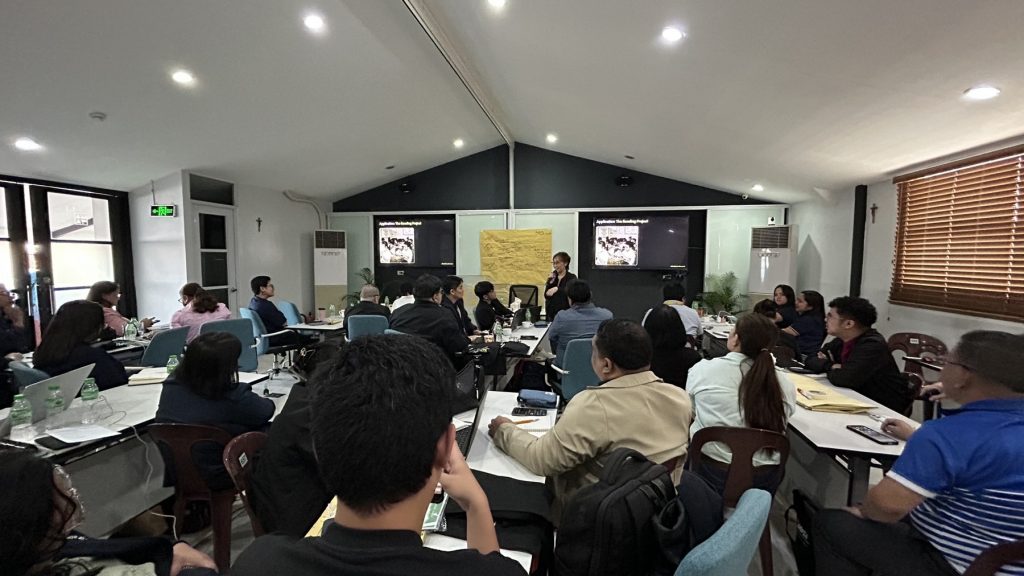
MANILA, Philippines — In a move that underscores the evolving role of Catholic communicators, SIGNIS Philippinesrecently partnered with the Manila Ecclesiastical Province School System Association (MAPSA) to transform school superintendents and principals into strategic development planners.
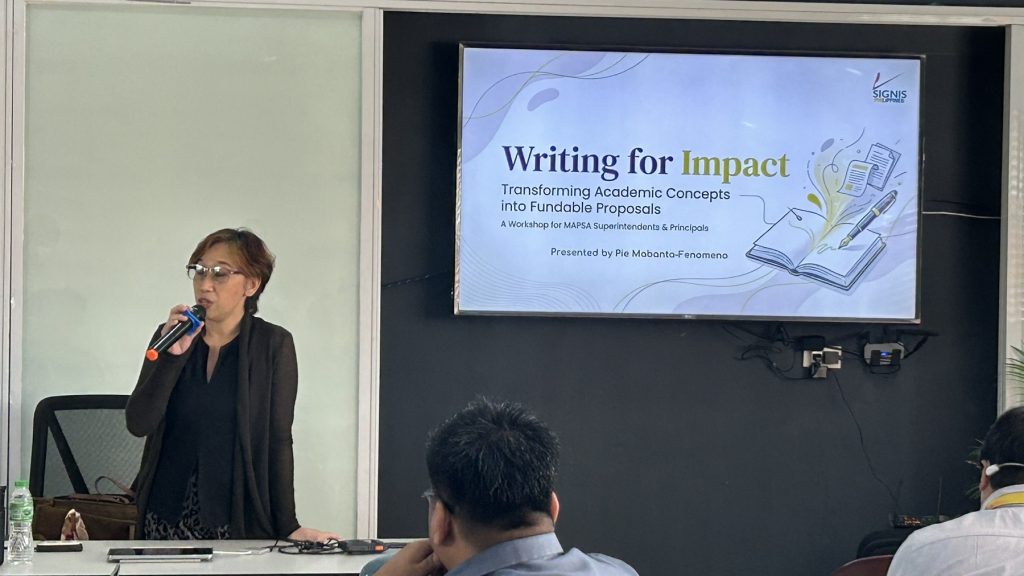
The workshop, titled “Writing for Impact: Transforming Academic Concepts into Fundable Proposals,” marked a significant shift in how the organization engages with the Church’s mission—proving that the role of SIGNIS extends far beyond film production and broadcasting.
Professionalizing the Mission
For decades, many mission-oriented sectors—from diocesan schools to social action centers—have relied primarily on the generosity of benefactors, operating on a model of “asking for donations.” However, in an increasingly complex funding landscape, charity alone is often insufficient to sustain long-term programs.
There is a critical gap in the sector: the need to professionalize resource mobilization. Institutions must move beyond simple solicitation and towards crafting robust, fundable project proposals that compete on the global stage.
SIGNIS Philippines has stepped forward to fill this gap. By introducing development frameworks typically used by international NGOs—such as the Theory of Change (ToC) and the Logical Framework (LogFrame)—the organization is equipping Church leaders with the technical skills to articulate their mission not as a plea for help, but as a strategic investment in social impact.
Communication as the Logic of Change
Pie Mabanta-Fenomeno, President of SIGNIS Philippines, facilitated the sessions, emphasizing that true communication is the logic behind the mission. “We often think of communication as the output—the video, the article, or the post,” she noted. “But for Catholic schools to sustain their advocacy, they must be able to tell their story in a way that is logical, measurable, and compelling to partners and donors.”
The workshop challenged educators to shift their mindset from “academic thesis writing” to “impact storytelling,” ensuring they can define the structural and behavioral gaps their projects aim to solve.
From Theory to Application
The response from the MAPSA leadership was overwhelmingly positive. The “6 Ws” framework introduced during the session—moving from the “Why” (Problem Tree) to the “So What?” (Impact)—provided a clarity that many administrators felt was missing in their previous planning efforts.
Because of the workshop’s success and the high demand for practical application, a Phase 2 has already been scheduled for February. This follow-up session will focus on “Collegial Critiquing,” where diocesan teams will present their drafted proposals. SIGNIS will facilitate this peer review, helping each diocese refine their logic models and narrative flow before submission to potential funders.
Bridging the Gap
This initiative serves as a powerful reminder that SIGNIS is not just a production house, but a strategic partner in the sustainability of the Church. By empowering mission-oriented sectors to professionalize their approach to funding, SIGNIS Philippines is ensuring that the Church’s vital work in education and social development can continue to thrive for generations to come.