
Five-Day Media Training Workshop Held in Ayubia by SIGNIS Pakistan and the National Commission for Social Communications
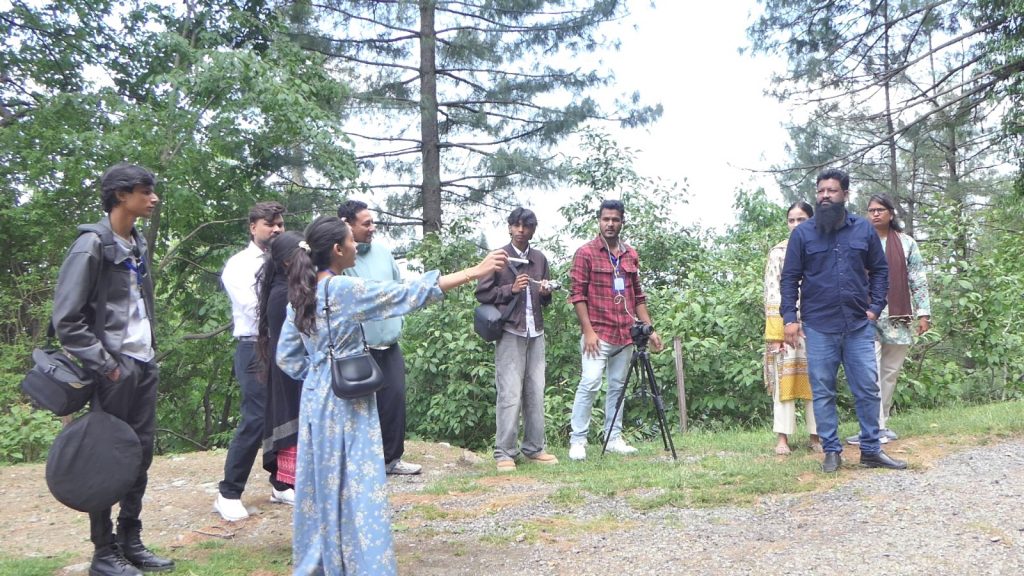
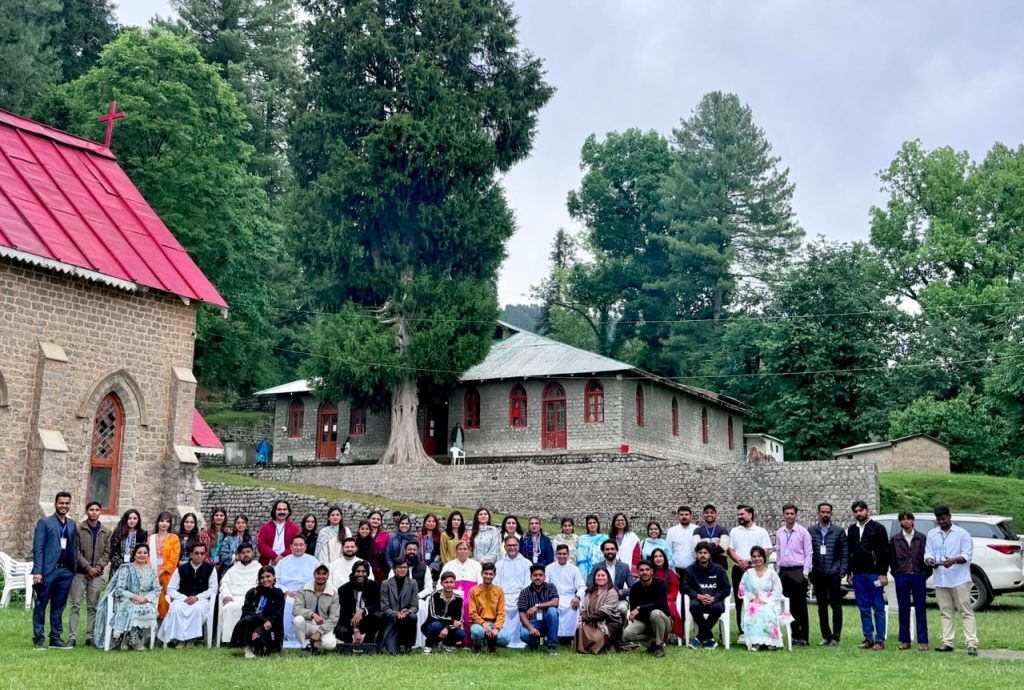
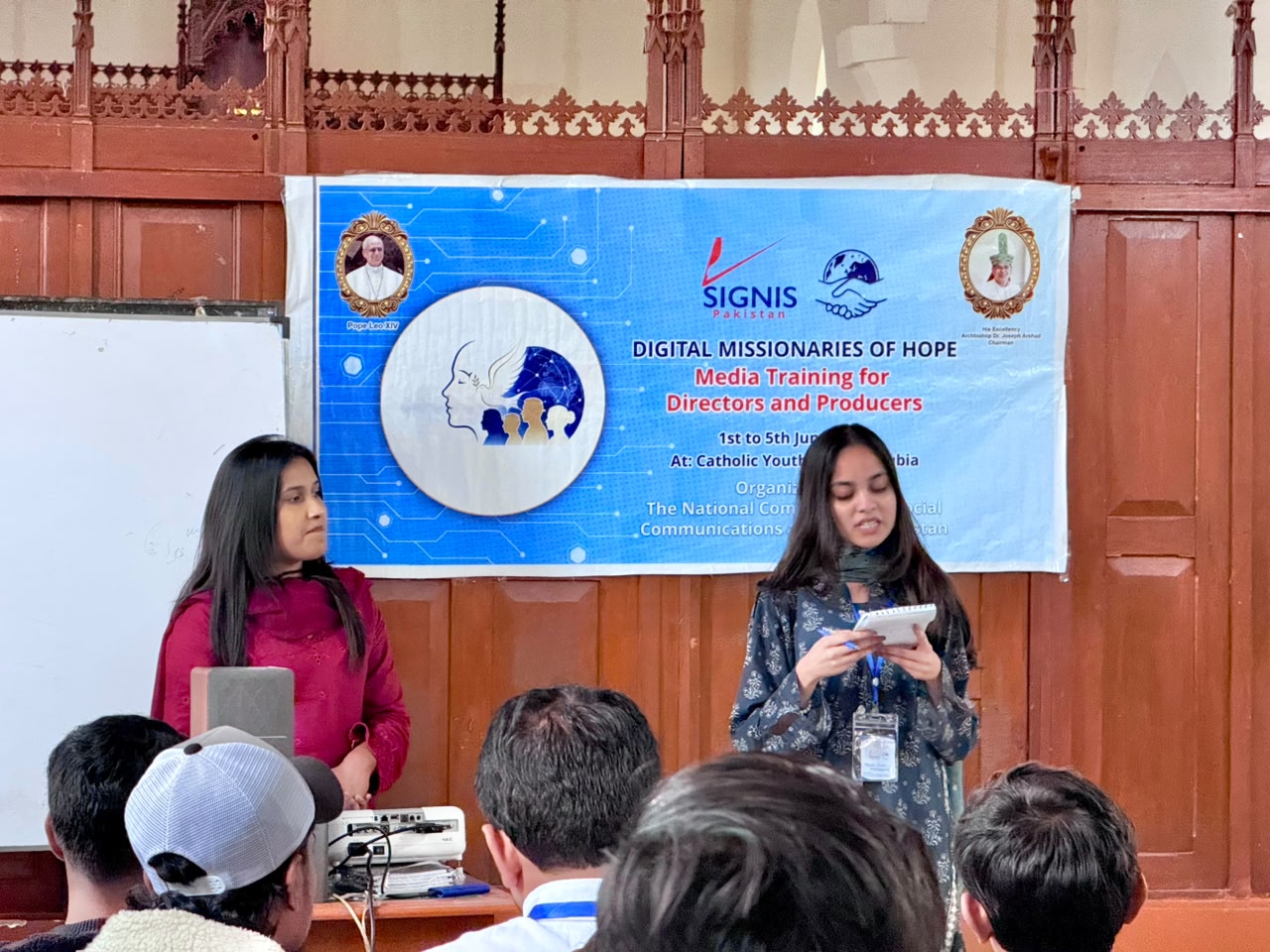
From June 1–5, 2026, five-days Media Training Workshop was organized at the Catholic Youth Center Ayubia by SIGNIS Pakistan and the National Commission for Social Communications.
The theme of the training was “Digital Missionaries of Hope.” This workshop was specially designed for Directors and Producers from all dioceses of Pakistan, with the active participation of 55 young people.
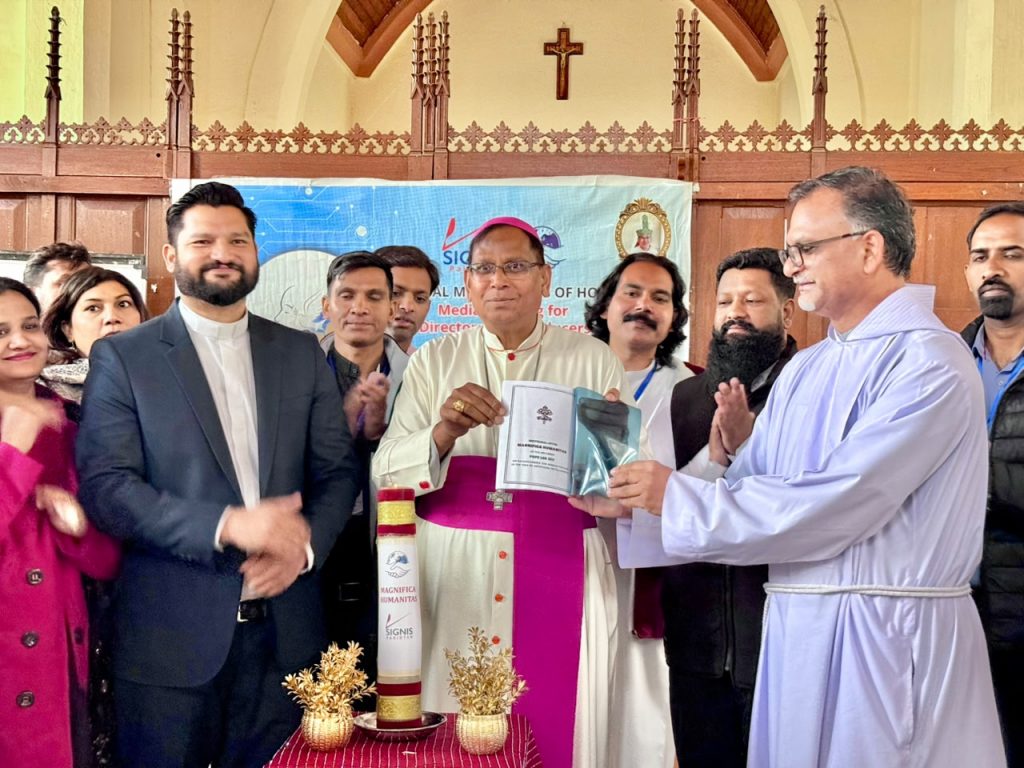
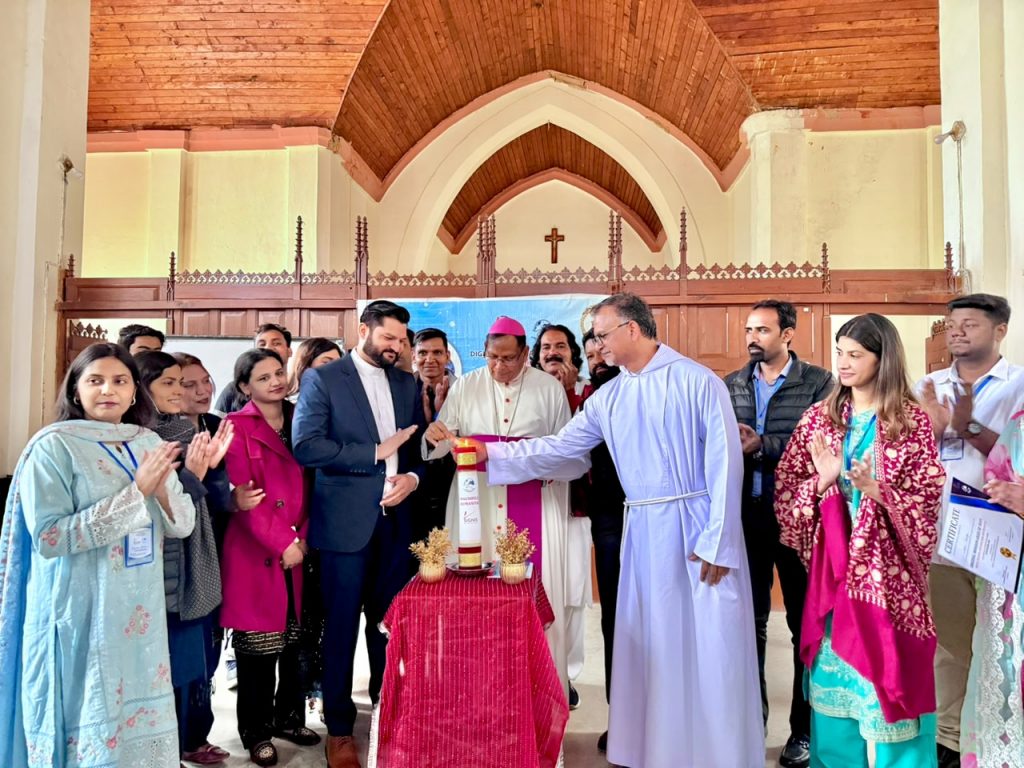
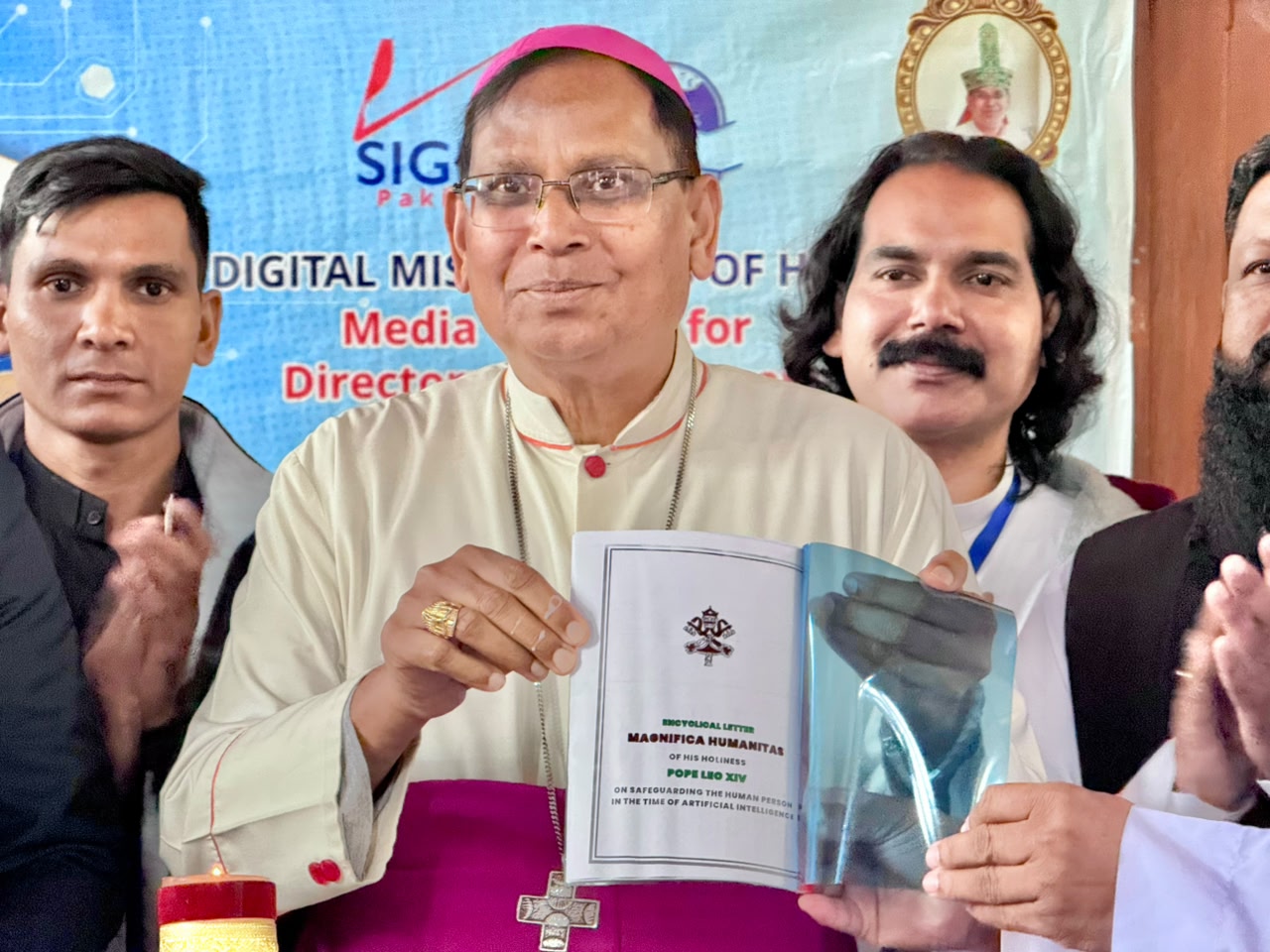
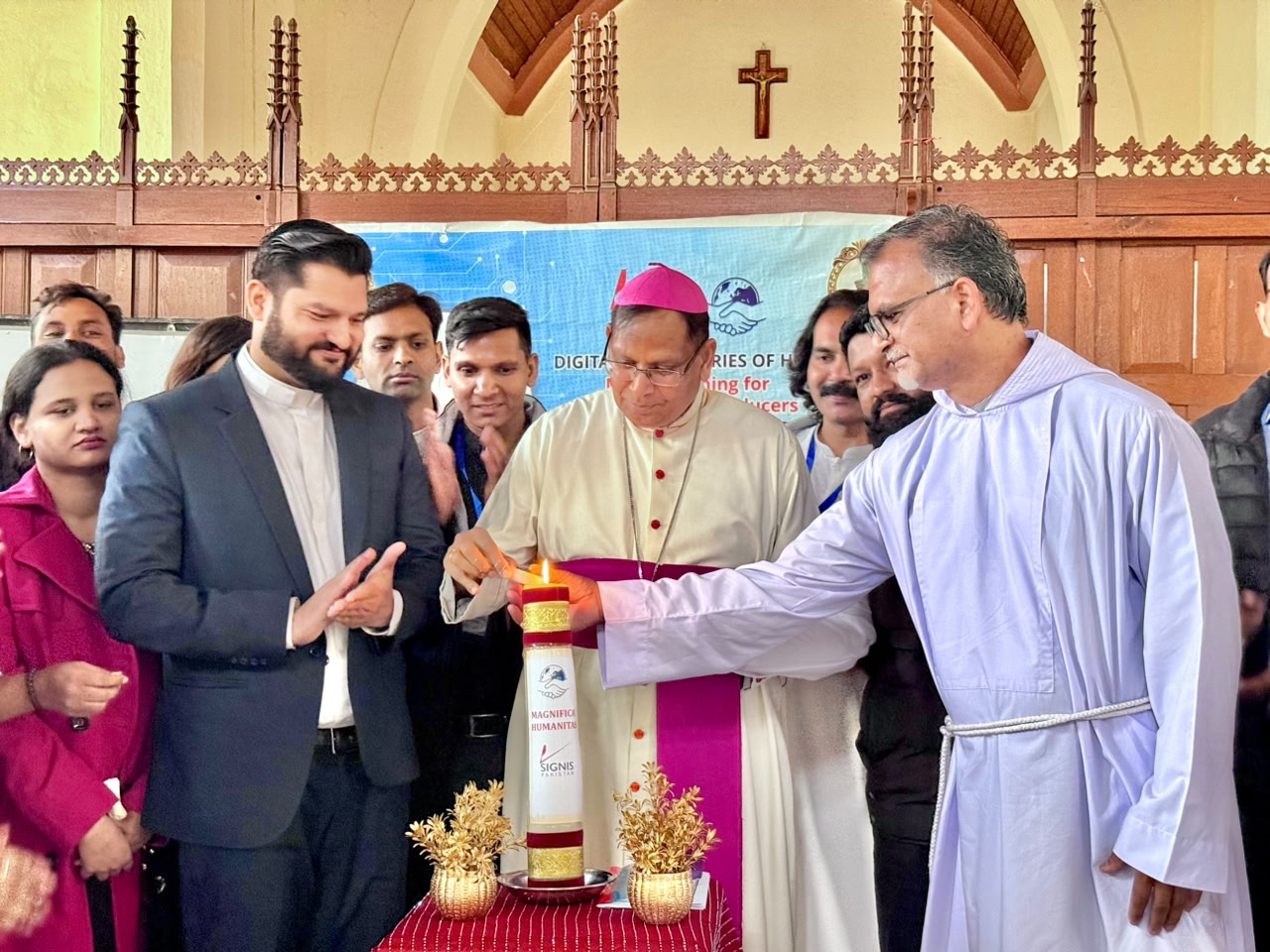
His Grace Archbishop Dr. Joseph Arshad, Chairman of the National Commission for Social Communications, joined Catholic communicators and influencers in lighting a candle for Pope Leo XIV’s first document, Magnifica Humanitas, and officially launched the document.
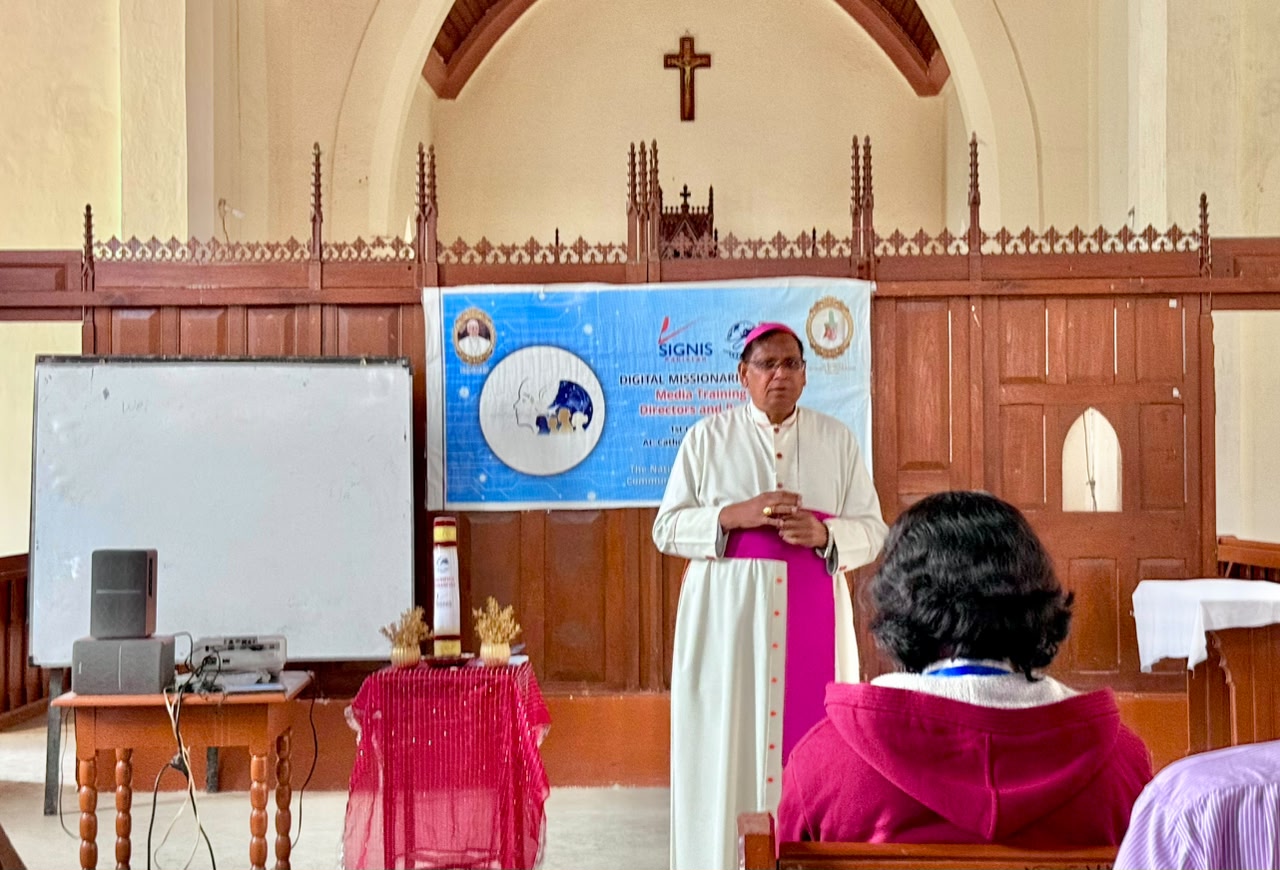
Addressing the youth, he emphasized promoting human dignity through all forms of media. He explained that Pope Leo XIV, in this document, stressed the protection of human dignity and invited the entire world to consider the safeguarding of human dignity, human rights, and human civilization through Artificial Intelligence and all means of communication as a shared responsibility. The Archbishop further highlighted the importance of using Artificial Intelligence in the service of humanity.
Rev.Fr.Qaiser Feroz OFM Cap, commenting on the encyclical said “Magnificat Humanitas” is the song of humanity because it speaks of safeguarding human dignity according to God’s plan.
Expressing his views, Archbishop Dr. Joseph Arshad stated that the purpose of this media training organized by SIGNIS Pakistan and the National Commission for Social Communications was to educate young people from all dioceses in the positive use of media. He encouraged the participants to remain connected with their dioceses so that the diocesan media commissions could be strengthened and their services in the field of communication could become fruitful and effective. He urged them to use media for promoting the Holy Bible and the Social Teachings of the Church.
The Archbishop noted that the Christian community in Pakistan is not as strong as it should be and needs to progress in every field. He pointed out that the literacy rate among Christians in Pakistan is very low, estimating that nearly 80 percent of Christians are illiterate. He said that as a minority community, Christians face numerous challenges, including poverty, underdevelopment, and lack of education. However, he stressed the need to find ways to achieve success and progress so that the community can stand shoulder to shoulder with the majority. He emphasized that without education, development and success remain impossible.
Archbishop Joseph Arshad further explained that, besides teachers and religious leaders, parents play the most important role in the formation of young people. He expressed concern that many young people suffer from low self-esteem and lack of confidence because they are often criticized or neglected at home. Such an environment prevents their personalities from flourishing. Encouraging the youth, he said that strong determination can overcome poverty and difficult circumstances, making success attainable. However, without determination and with a defeatist mindset, success becomes difficult. He urged young people to move beyond negative thinking, pursue education with a broad vision, and remain hopeful. He encouraged them tostrengthen themselves with the goal of bringing honor to their community. He also stressed the importance of acquiring professional skills alongside formal education, noting that this is not only an age of education but also of professionalism.
The Archbishop stated that there is a need for individuals who can achieve high positions in the media industry while remaining actively involved with the Church. He emphasized that everyone must work together to achieve success and use media positively to serve both the Church and society while proclaiming Jesus Christ.
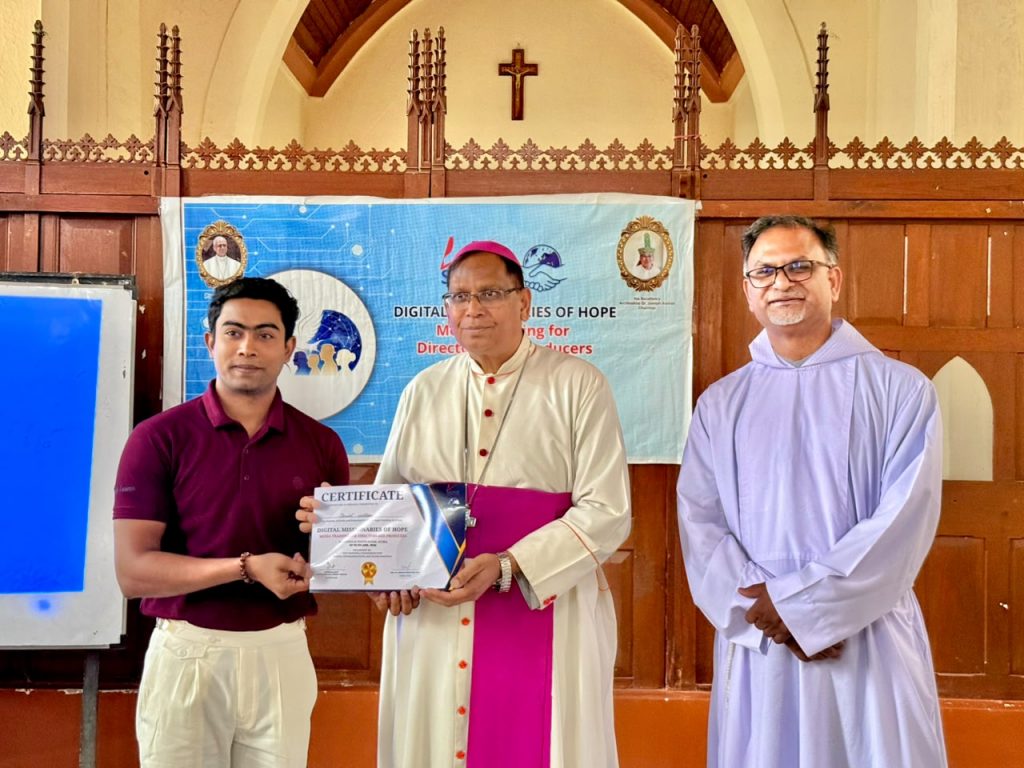
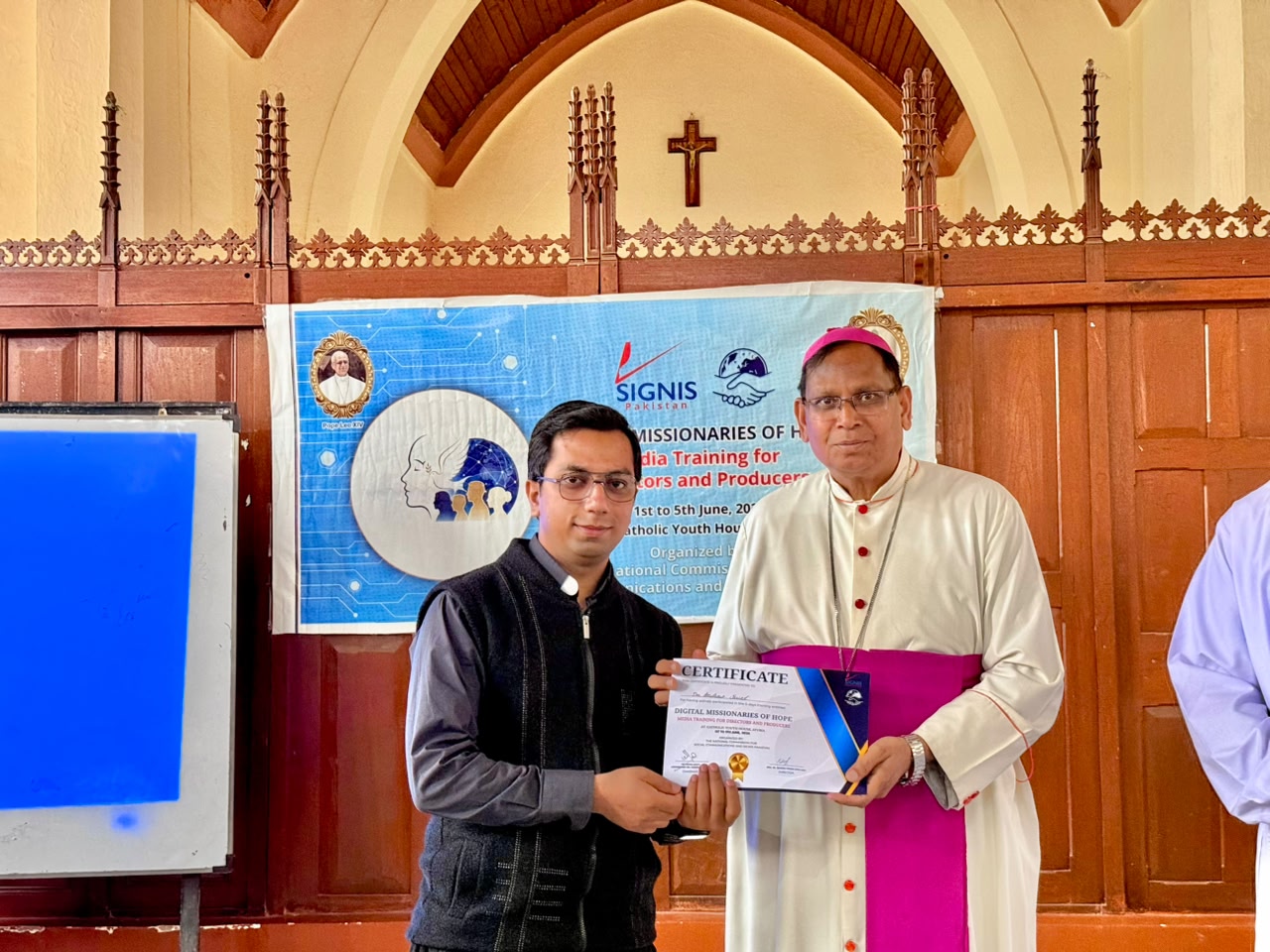
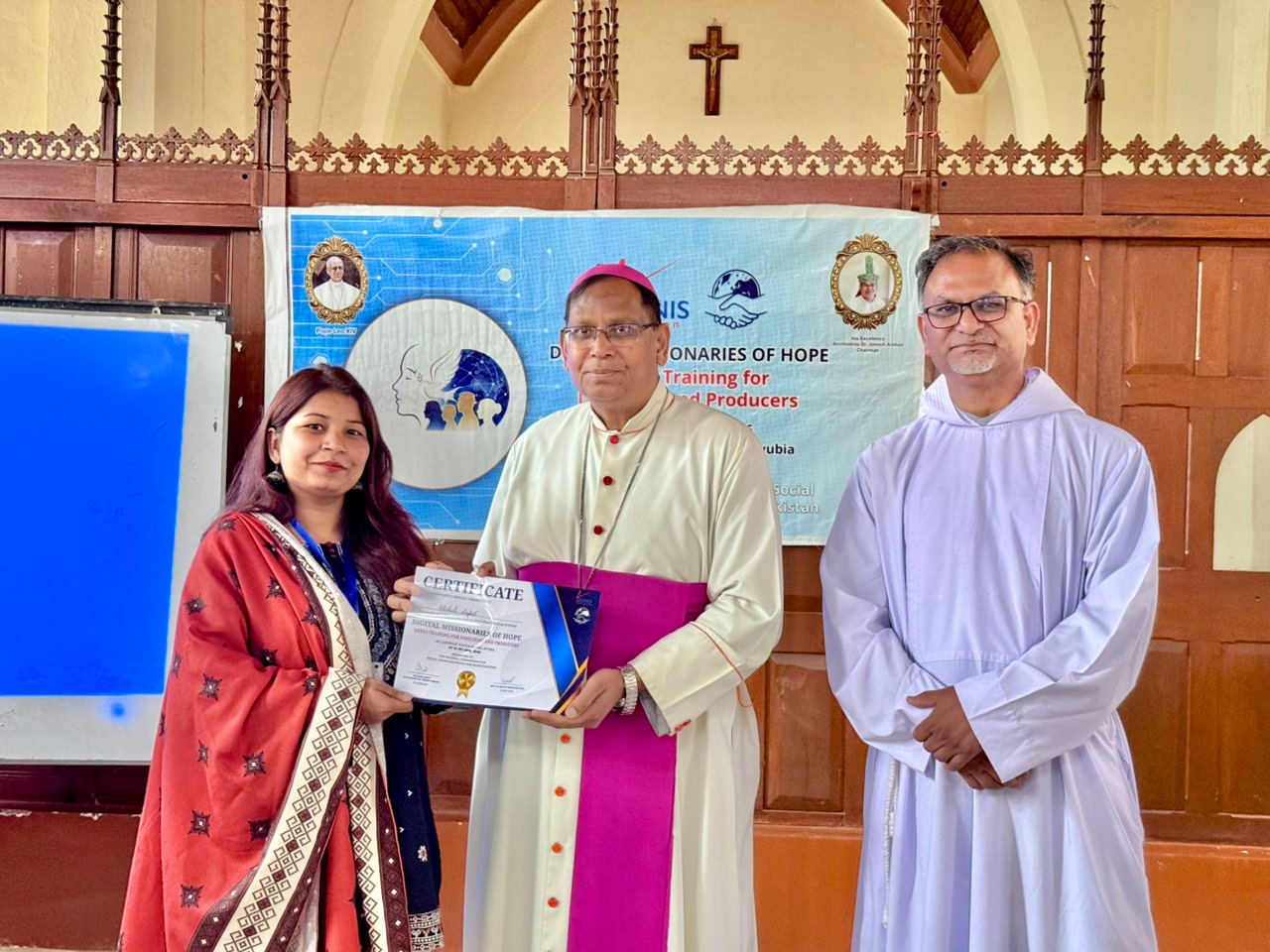
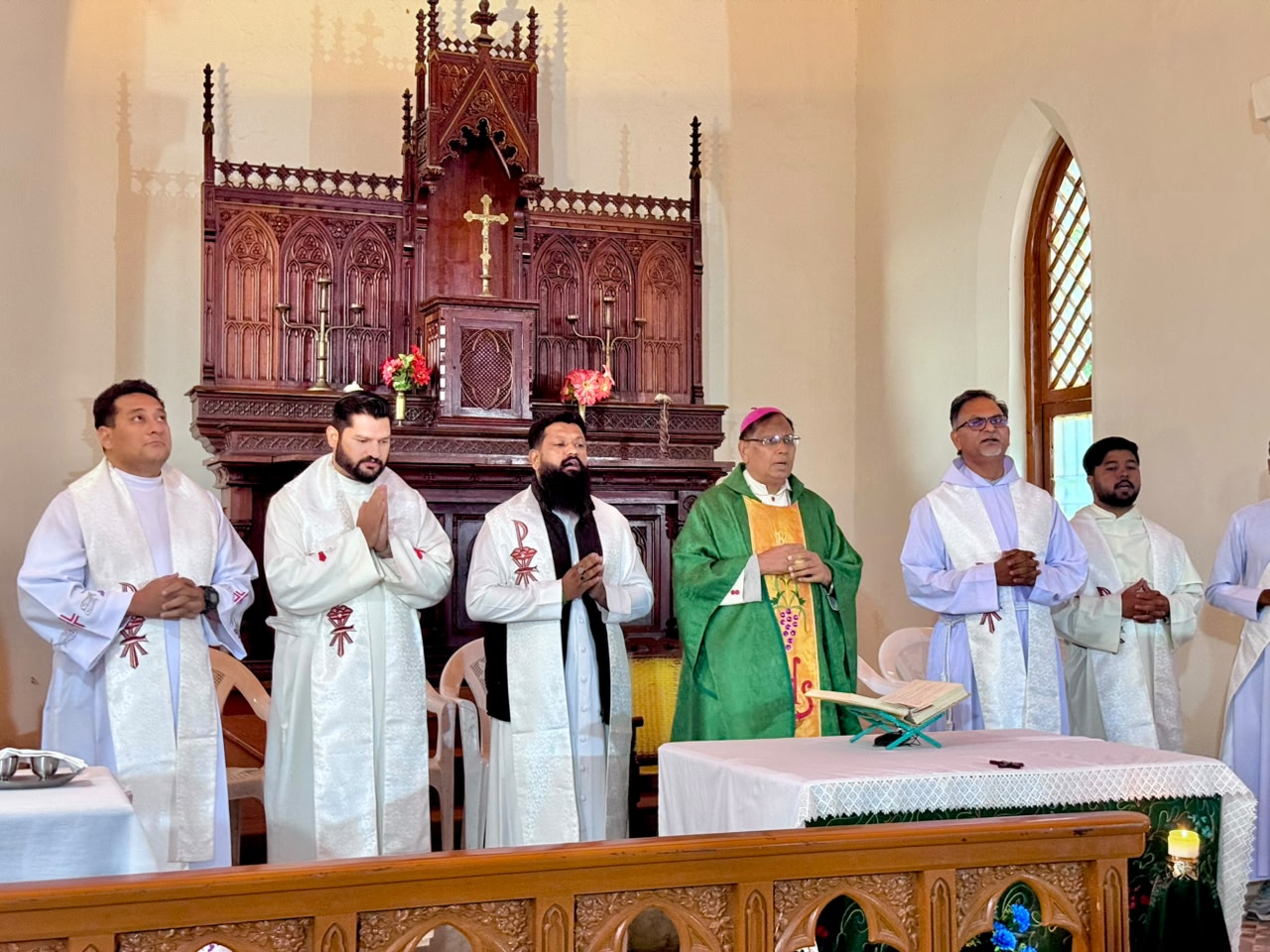
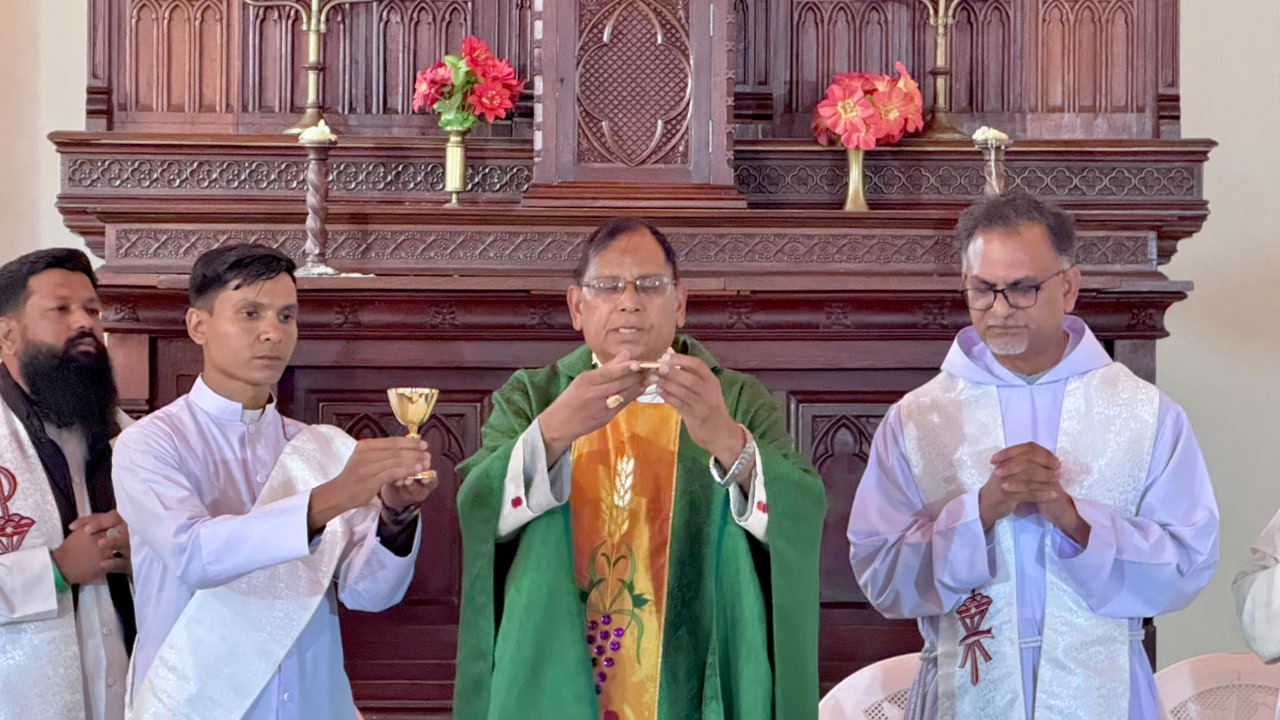
On this occasion, Archbishop Dr. Joseph Arshad celebrated a Holy Mass of Thanksgiving and personally distributed certificates to all participants. At the conclusion of the event, he congratulated Rev. Fr. Qaiser Feroz and the entire organizing team on the successful completion of the workshop.
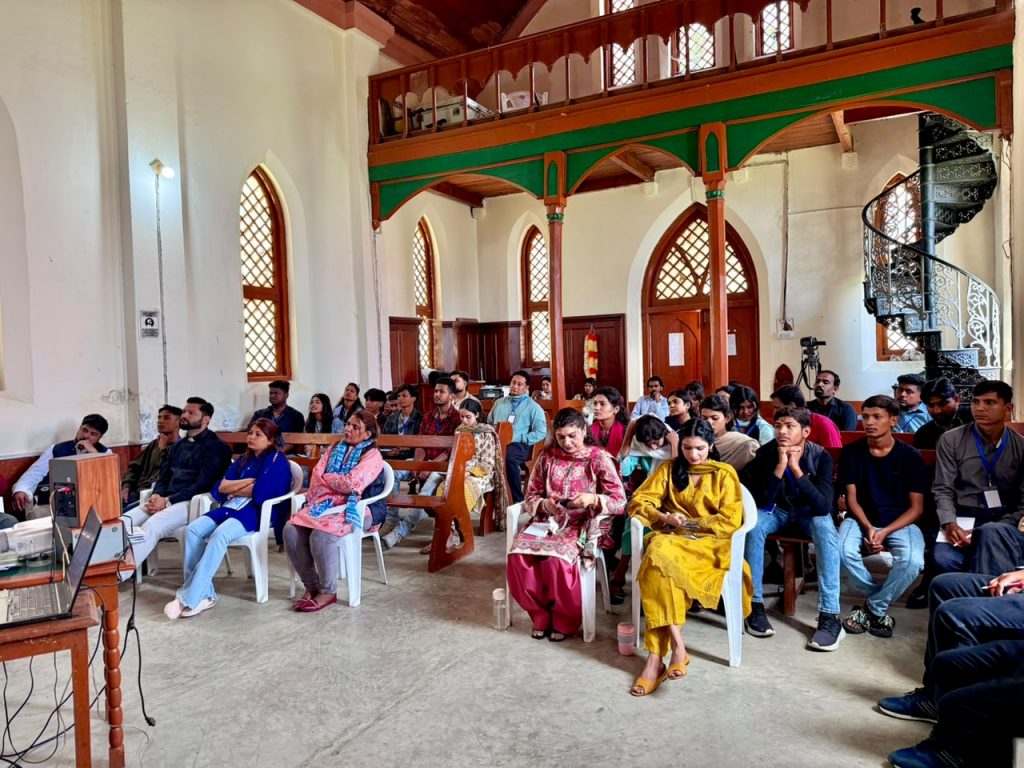
Rev. Fr. Qaiser Feroz highlighted Pope Leo XIV’s message for the 60th World Communications Day, emphasizing the responsible use of Artificial Intelligence. He stated that in this age of AI, protecting human voices and faces is a shared social responsibility. He remarked that every human face is sacred because God created humanity in His own image and likeness.
He further explained that communication between God and humanity has existed since the very beginning of the Bible, and that God Himself is the first communicator. He described the Bible as a great act of communication and Jesus Christ as the perfect communicator who effectively conveyed God’s message through parables and stories.
Speaking about the development of human communication, Fr. Qaiser Feroz explained that humanity has continuously progressed throughout history—from writing on cave walls and animal skins, to the invention of paper, and now into the digital age. Information technology has transformed the world into a global village where information travels from one corner of the world to another at incredible speed.
He also highlighted the importance of communications within the Church, noting that over the years the Church has issued several important documents on communications. He mentioned that Pope John Paul II was often called the “Media Pope,” while Pope Benedict XVI became known as the “Digital Pope.” He stressed that the use of media is both a fundamental right and a responsibility of the Church. He concluded by emphasizing that the purpose of using media in the Church is to proclaim the Gospel, support missionary work, spread faith, and communicate Christian values effectively through modern media. He added that Artificial Intelligence has profoundly influenced all major pillars of society—including religion, culture, politics, and economics—and therefore requires thoughtful reflection and responsible use.
During the second session of the second day, Rev. Fr. Qaiser Feroz reflected on how Jesus Christ called His disciples while they were mending their fishing nets. In the same way, he said, God calls us today to build a strong network. This network consists of relationships and connections in which every person’s story is like a knot, and together these stories form a strong global net.He further explained that through digital media every individual can become a “Digital Missionary,” but this is only possible when unity, harmony, and cooperation are present, because no network can survive without unity. He encouraged participants to take pride in the talents God has given them and to use them in a positive, constructive, and meaningful way.
Concluding his session, Fr. Qaiser Feroz stated that Christian hope is Jesus Christ Himself, who never allows people to remain in despair but continually offers hope, light, and courage. He encouraged participants to share this message of hope through social media so that the world may see that Christianity is a message of hope, love, and peace.
On the third day of the workshop, Mrs. Iram Imran, Coordinator of Radio Veritas Asia Urdu Service, conducted a session on Vocal Variety and highlighted the importance of effective voice usage. She explained that voice modulation, pace, tone, pauses, and pronunciation play a vital role in communicating messages effectively to audiences. She also guided participants on the proper manner of proclaiming the Word of God, emphasizing that Scripture should be read with reverence, respect, clear pronunciation, and appropriate expression so that God’s Word may reach believers effectively.
During the session, Mrs. Imran conducted various vocal exercises through which participants practiced improving voice quality, proper breathing techniques, pronunciation, and communication skills.
In the second session of the third day, Ms. Sana George, Online Producer at Radio Veritas Asia Urdu Service, facilitated an informative and practical session on News Writing, Storytelling, and Voice-over techniques. She explained that effective news writing is based on accurate, unbiased, and fact-based information, and that a complete news story must answer the six essential questions: Who, What, When, Where, Why, and How.
Highlighting the importance of storytelling, she explained that a strong and engaging story plays a crucial role in maintaining audience attention and delivering messages effectively. Regarding voice-overs, she emphasized that a professional voice-over significantly enhances the quality of any media production. Through practical examples and exercises, participants were introduced to these skills, resulting in a noticeable improvement in their communication and journalism abilities.
Here is the continuation of the English translation:
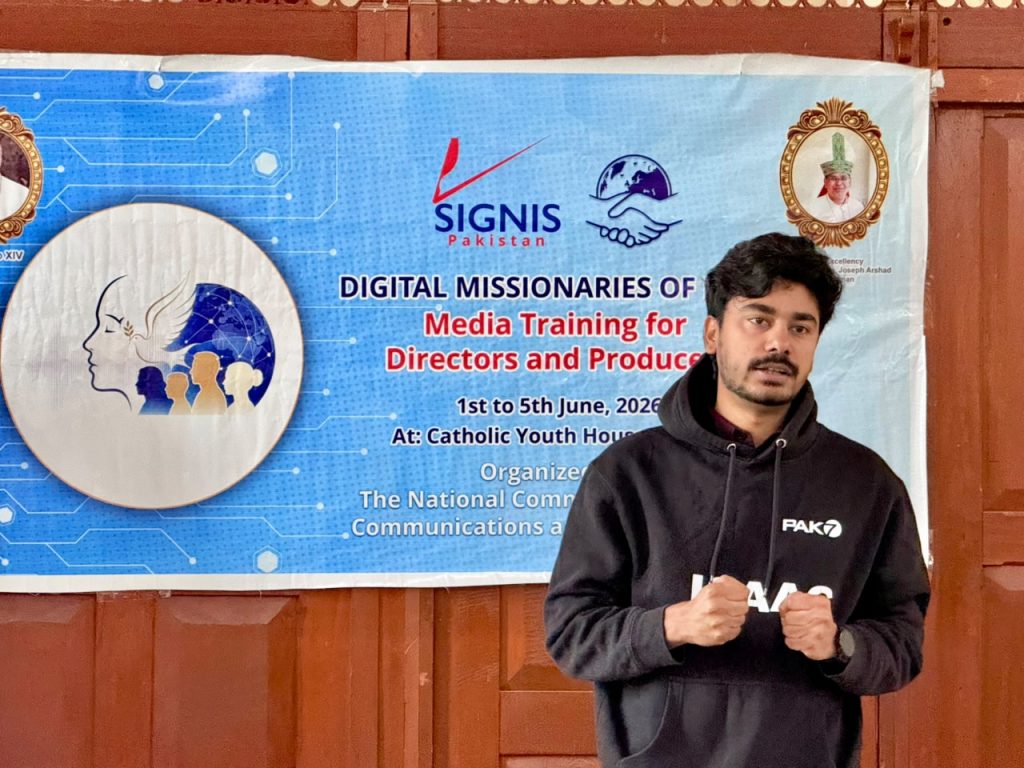
On the fourth day of the workshop, Ms. Sana Zahid, Social Media Manager at Pak7 TV, provided participants with detailed information about Sitcoms and Talk Shows. She explained that a sitcom is a comedy-based dramatic program that entertains audiences through everyday situations and relatable characters. She noted that a successful sitcom requires a strong storyline, engaging characters, effective dialogue, and appropriate humor.
Highlighting the importance of talk shows, she explained that they are an effective media platform for discussing social, educational, cultural, and public issues. She emphasized that the success of a talk show depends on the host’s preparation, the selection of the topic, the quality ofquestions, and meaningful interaction with guests. She also advised participants to review their scripts after writing them to ensure that the intended objectives are being achieved. Through practical examples, she clarified the differences between sitcoms and talk shows and encouraged participants to understand both formats in order to enhance their creative and professional skills.
Later that day, Mr. Isaac Amir, Content Creator and Filmmaker at Pak7 TV, conducted a session on the fundamental principles and techniques of filmmaking. He explained that the success of a film or video depends not only on a good story but also on its presentation, camera work, and creative approach.
Discussing various camera angles, he explained that each angle creates a specific impression. For example, a high-angle shot can make a character appear weak or vulnerable, while a low-angle shot conveys power, confidence, and importance. Similarly, close-up shots are used to highlight emotions, whereas wide shots are useful for presenting the environment and overall setting.
He also discussed the importance of a video hook, explaining that the first few seconds of any video, film, or program are crucial for capturing viewers’ attention. A strong and engaging hook motivates audiences to continue watching until the end. He further emphasized the importance of proper shot selection and thorough script preparation.
During the media training, Rev. Fr. Qaiser Feroz organized a special group activity to provide participants with practical experience. All participants were divided into four groups, and each group was assigned the task of producing a short and impactful video. The assigned topics included “Promoting Hope,” “The Risks of Artificial Intelligence for Humanity,” “Protecting Human Voices and Faces,” and “Safeguarding Human Dignity.”
Applying the skills they had acquired throughout the training, the participants produced highly creative and professional videos on their respective topics. Each group effectively communicated its message and succeeded in delivering meaningful and thought-provoking content. These videos not only demonstrated the participants’ creativity and teamwork but also highlighted the importance of social awareness and responsible communication.
On the final day of the workshop, Rev. Fr. Qaiser Feroz spoke about the fundamental principles of the Art of Storytelling. He explained that a good story always leaves a deep impact and lasting memories, influencing both the minds and hearts of its audience. He stated that the best stories and videos are those that engage the human senses and leave a meaningful impression on viewers and listeners.
Referring to Pope Leo’s message, he said that we must seek out “Stories of Hope” and share them with the world because while a person may survive for some time without water or food, life without hope is impossible. He stressed that it is our moral and human responsibility to promote hope, encouragement, and positive thinking within society and to share hope with others.
On the same day, all groups presented their completed videos. Rev. Fr. Qaiser Feroz critically reviewed each presentation and offered valuable guidance. While appreciating the strengths of each video, he provided constructive feedback regarding content, messaging, filmmaking techniques, camera work, editing, acting, and overall presentation. His observations helped participants better assess their abilities and gain direction for producing higher-quality media content in the future.
During the event, directors from all dioceses also presented reports highlighting media-related activities, achievements, challenges, and future plans within their respective dioceses. These presentations not only facilitated the exchange of information but also promoted collaboration, coordination, and mutual learning among the dioceses.
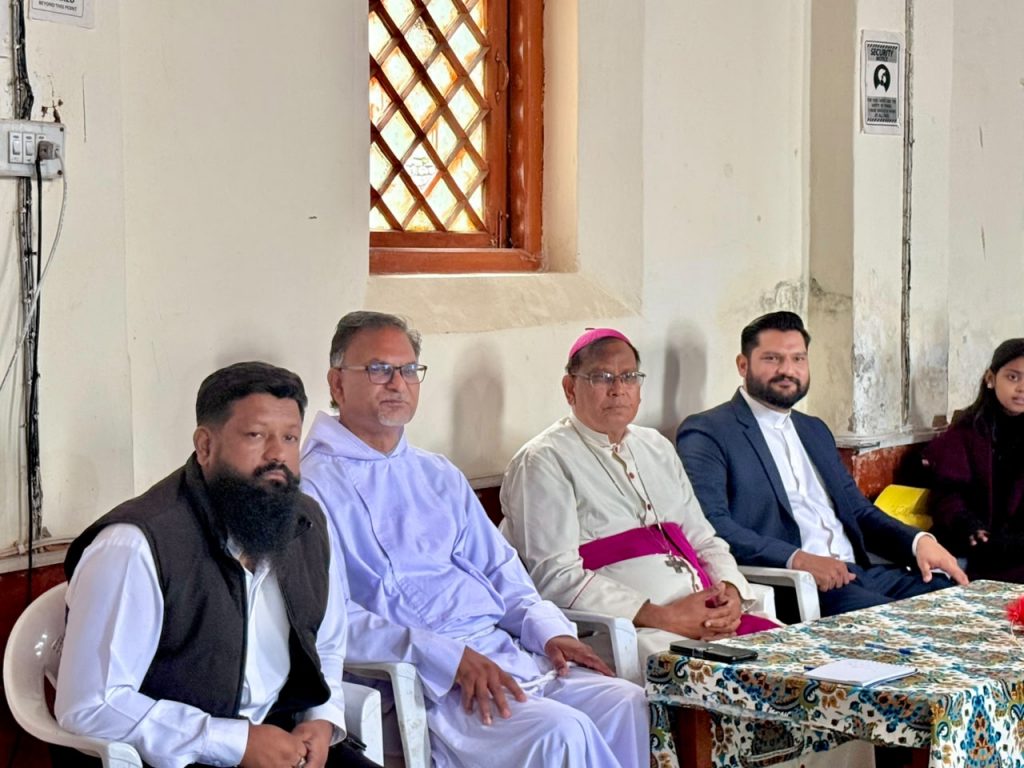
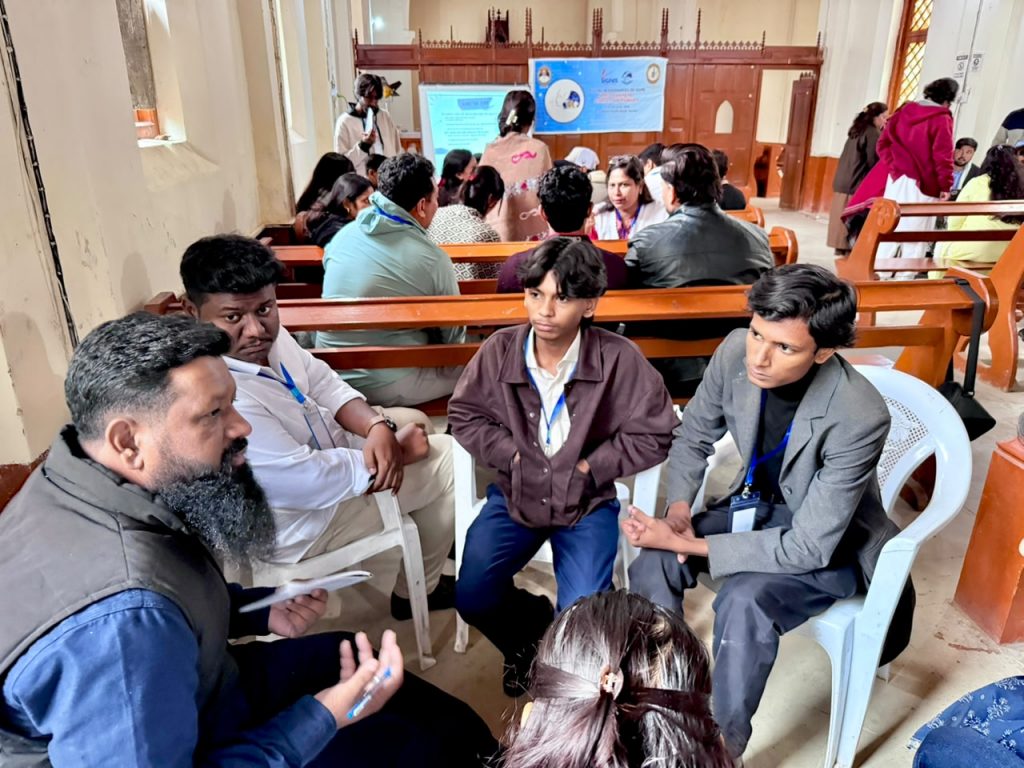
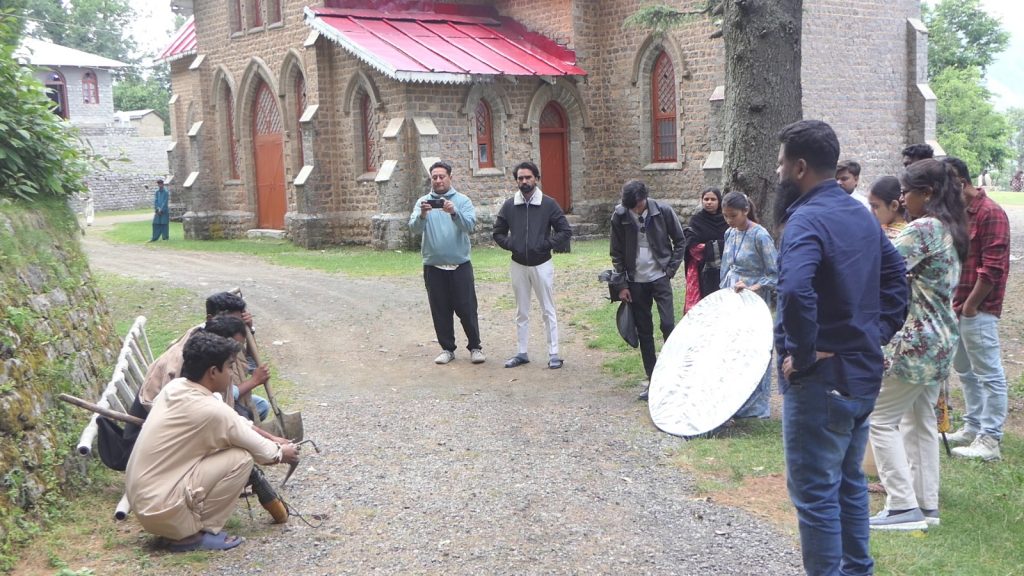
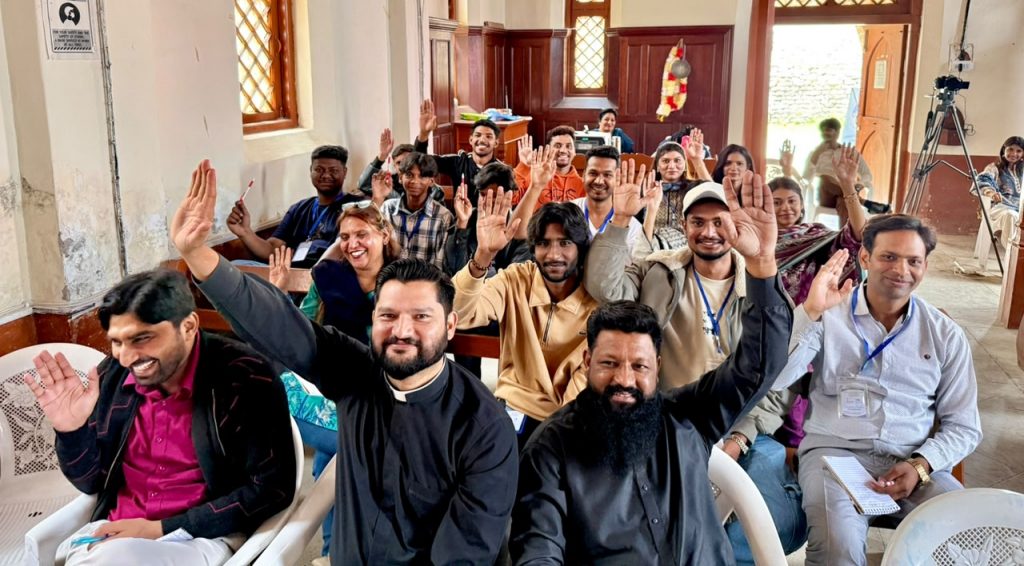
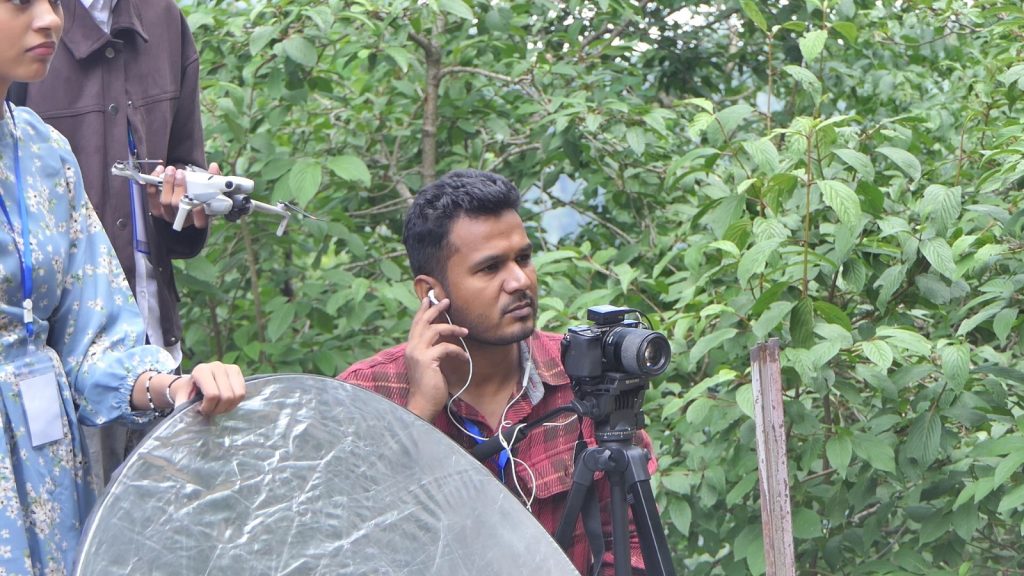
Participants shared their experiences and reflections on the workshop:
- Rev. Fr. Afzal Gulfam stated that the workshop helped participants realize how they can use their talents to spread stories of peace, harmony, and hope while becoming part of a positive and collaborative network. He added that the knowledge he gained about media would be extremely beneficial for Good News TV.
- Representing the Islamabad-Rawalpindi Diocese, Rev. Fr. Sabir Liaqat shared that he was leaving the workshop with a renewed conviction that media can communicate messages of peace and hope that bring life to people. As a priest, he believes this mission must be carried out with humility, responsibility, and effective communication skills, helping to create networks that promote peace, love, and positive stories.
- Ms. Muskan, one of the participants, stated that she learned how social media can be used for evangelization. She also appreciated the opportunity to experience the natural beauty of Ayubia firsthand. She reflected that a healthy and natural environment contributes to both mental and physical well-being, and that a deep connection with nature brings inner peace and renewal.
Participants described the media training as a valuable, informative, and inspiring experience. They highly appreciated the training sessions, practical exercises, and group activities, expressing their commitment to applying the knowledge and skills they had gained within their respective dioceses. They congratulated Rev. Fr. Qaiser Feroz and his team for organizing a successful workshop, thanked the trainers and support staff, and expressed their hope that such initiatives would continue in the future.
In his vote of thanks, Rev. Fr. Qaiser Feroz stated that practical and creative activities such as these play a significant role in developing young people’s talents and guiding them in a positive and constructive direction. He praised the participants for their enthusiasm, dedication, and performance and extended his best wishes for their bright future.
Concluding the workshop, he expressed hope that participants would use their newly acquired skills for responsible communication, social service, and the promotion of positive messages. He encouraged young people to continue sharing stories of hope through media, describing it as a noble service. He urged them to keep learning and to use their knowledge for the benefit of others. On the final day of the training workshop, participants also had the opportunity to enjoy the breathtaking natural beauty of Ayubia, including its mountains, valleys, streams, and the beautiful “Jannat Waterfall.”